“Exploring the Caribbean through culture, history, and travel.”

Tuesday, February 24, 2026

Choosing the Caribbean Is Not Choosing a Beach — It’s Choosing a Rhythm, Culture, and Context


Choosing the Caribbean Is Not Choosing a Beach — It's Choosing a Rhythm


Two friends. Same week off. Same budget. Same desire to "go somewhere warm."

They booked different islands.

One came back saying it was exactly what she needed — slow mornings, nowhere to be, the kind of rest that actually restores something.

The other came back saying the same thing — but his version involved a different city every two days, street food at midnight, and a conversation with a musician in a bar that turned into the best night of the trip.

Neither of them chose wrong.

They chose different rhythms. And the Caribbean — more than almost any other region on earth — is a place where rhythm is everything.


The Caribbean Is Not a Visual Promise — It's an Emotional One

Travel marketing has spent decades selling the Caribbean as a postcard: warm water, soft sand, endless sun. That image is real. It exists. And it's genuinely beautiful.

But it tells you almost nothing about what your days will actually feel like.

Because geography doesn't define an experience. Rhythm does.

The way mornings unfold. How afternoons slow down — or don't. Whether evenings feel quiet and domestic or alive and social. Whether the sound outside your window is waves, or music, or both.

These are the things that shape whether a trip feels like exactly what you needed — or like someone else's version of paradise.


Fast, Slow, or Somewhere in Between

Aruba moves slowly by design. The weather is the most reliable in the Caribbean — almost no rain, constant trade winds, predictable sunshine. The resort infrastructure is organized and efficient. Days stretch long. The pace is intentionally unhurried. Time softens in a way that feels almost physical.

Trinidad moves differently. Port of Spain has an energy that doesn't fully stop — music from open doors, restaurants that fill late, a creative scene that runs from the art world to the street food vendors outside the National Academy of Performing Arts. The island is alive in a way that rewards engagement rather than stillness.

Martinique is somewhere in between — the French Caribbean pace, which is neither rushed nor completely relaxed, shaped by a culture that takes its food, its markets, and its afternoons seriously.

None of these is better. But they are not interchangeable.

Choosing well means being honest about whether you want stillness — or movement. Because the Caribbean will give you whichever one you ask for, if you know how to ask.


Culture: Background or Immersive

In Turks & Caicos, culture sits quietly in the background. The beaches are extraordinary. The hotels are polished. The experience is designed to be smooth and contained. Culture exists — but it doesn't demand your attention.

In Puerto Rico, culture is immediate and unavoidable. It's in the music that comes from everywhere at once in Old San Juan. It's in the food — not just what's on the plate but the conversation around it. It's in the way people move through the city, the pride that shows up in murals and flags and the specific energy of a place that has been through a great deal and is still standing, loudly.

In Dominica, culture recedes and landscape takes over. The island is so dominated by its volcanic interior — rainforest, rivers, hot springs, waterfalls — that the human presence feels almost secondary. You don't go to Dominica to be surrounded by culture. You go to be inside something that existed long before anyone thought to call it a destination.

If you want immersion, you choose differently than if you want calm distance. The Caribbean has both. The question is which one you're actually looking for.


Context: Resort, Town, or Landscape

The same turquoise water feels completely different depending on what surrounds it.

Viewed from a private terrace at a resort in St. Barths — curated, elegant, designed to minimize friction — it feels like a painting you're inside.

Viewed from the lively promenade in Cartagena — where vendors and musicians and local families and tourists all share the same waterfront — it feels like the backdrop to a living city.

Viewed from a coastal path in Dominica where the trail ends at a black sand beach and the rainforest comes almost to the water's edge — it feels like something that has nothing to do with tourism at all.

Same color. Three completely different experiences. Three different kinds of travelers who will find exactly what they needed in each one.


If You've Ever Said "I'm Going to the Caribbean" Without Knowing What That Means

Saying "I'm going to the Caribbean" is like saying "I'm going to Europe." It sounds specific. It isn't.

Europe contains Paris and rural Portugal and the Norwegian coast and Istanbul. They share a geography. They do not share an atmosphere.

The Caribbean contains Aruba and Trinidad and Dominica and Cartagena and St. Barths. They share a latitude. They do not share a rhythm.

What you are really choosing — when you choose a Caribbean destination — is how you want to feel.

Do you want your days choreographed or open-ended? Do you want culture to surround you or softly frame you? Do you want simplicity, immersion, elegance, rawness, stillness, or movement?

The beach may attract you. The rhythm will define your trip.

And that is the decision that actually matters.

Tell Sun AI what rhythm you're looking for — and it'll find your destination → ๐ŸŒด


Continue Exploring Caribex

๐Ÿจ Find Hotels on Booking.com | ✈️ Search Flights on Expedia | ๐ŸŒ Hotels & Flights on Trip.com | ๐ŸŽ’ Agoda


Tuesday, February 17, 2026

The Caribbean Is Not a Color. It's a Feeling.


The Caribbean Is Not a Color. It's a Feeling.
She had the photo saved on her phone for months.
A beach somewhere in the Caribbean — she didn't remember where she'd found it. Pale sand, water so clear you could see the bottom twenty feet out, a single palm tree leaning at exactly the right angle. The color was that specific shade of blue-green that exists almost nowhere else on earth.
She booked a trip to find that color.
She found it. Exactly as photographed.
And on day three, quietly, without quite understanding why, she realized she was slightly bored.
The water was perfect. The beach was exactly as promised. And something — some quality of experience she hadn't known she was looking for — was missing entirely.
She didn't need a different color. She needed a different feeling.

The Mistake Isn't Wanting Beautiful Water
Social media has made turquoise the default language of Caribbean travel. Scroll through any travel feed and the color repeats itself like a filter applied to an entire region — luminous, pale, universal.
It's not wrong. The water really is that color. In Aruba, in Turks & Caicos, in the outer islands of the Bahamas, in the coves of Curaรงao — the color is real and it's extraordinary.
The mistake is assuming that the same color always delivers the same experience.
Because what surrounds that water — the rhythm of the place, the quality of the silence, the energy in the air, the culture behind the coastline — changes everything about how a beach day actually feels.

The Structured Turquoise
There are beaches where everything flows with ease.
Large resorts with visible services. Restaurants within walking distance. Beach attendants who appear before you've finished unfolding your towel. The logistics of the day completely resolved before you arrive.
Aruba is the clearest example of this in the Caribbean. Palm Beach is organized, polished, and designed to minimize friction at every point. The water is stunning — and also predictable and practical. The landscape becomes part of a carefully arranged experience built around the idea that you shouldn't have to think too hard about anything.
For travelers who want to rest without solving problems, this version of turquoise is exactly right.
Here, turquoise means structure.

The Intimate Turquoise
On other islands, the water may be just as clear — sometimes clearer — but the surroundings shift entirely.
Less infrastructure. Less movement. Less intervention between you and the sea.
Anguilla operates this way. Shoal Bay East is one of the most beautiful beaches in the Caribbean, and it's almost always quiet — not because it's unknown, but because the island has made a deliberate choice to stay that way. No cruise ships. No high-rise hotels. The silence feels deeper. The day stretches longer.
Bonaire has a similar quality — an island where the underwater world is so spectacular that everything above the surface becomes secondary, and the beaches exist for people who want to be alone with the water rather than surrounded by an experience designed around it.
Here, turquoise means space.

The Wild Turquoise
There is also a Caribbean where the beach is not the sole focus — where it exists as part of a broader ecosystem of jungle, mountains, strong local culture, and towns that feel genuinely lived in rather than designed for visitors.
Dominica is the most extreme version of this. The island's volcanic interior — rainforest, rivers, sulfur springs, waterfalls — dominates the experience. The beaches tend toward black sand and rough surf. Access requires intention. The sea changes with the wind and the season.
But the experience feels raw and textured in a way that polished resort destinations simply cannot replicate. You don't go to Dominica for a beach day. You go because you want to be inside something that has been growing for millions of years and doesn't particularly care whether you're there or not.
Costa Rica's Caribbean coast — Puerto Viejo, Cahuita — has a similar quality. Afro-Caribbean culture, jungle coming almost to the water, a pace that belongs entirely to the place rather than to the tourist infrastructure.
Here, turquoise means nature.

The Cultural Turquoise
Some destinations use the beach as only one layer of the journey.
In Puerto Rico, a day might begin at the beach in Condado and end in Old San Juan, where the cobblestone streets and 500-year-old colonial architecture create an atmosphere that has nothing to do with sand or water. The sea is beautiful. It is not the protagonist.
In Martinique, the beach competes with the food markets, the rum distilleries, the Creole architecture of Fort-de-France, and the specific quality of French Caribbean culture that exists nowhere else on earth. A traveler who spends an entire week in Martinique on the beach has technically been to Martinique — but has missed most of what makes it Martinique.
In Cartagena, the water is nearby, but the real experience is the walled city, Getsemanรญ, the food, the history that shows up in every street corner.
Here, turquoise means backdrop — beautiful, present, and secondary to everything else happening around it.

The Real Question Before You Book
When someone says "I want a beautiful beach," they are usually asking for something deeper — a specific way to rest, to disconnect, to feel present, to be somewhere that matches whatever they need at that particular moment in their life.
The color of the water is not the variable that determines whether a trip delivers that.
Before choosing a Caribbean destination, the real question is not how blue the water looks in the photographs.
It is: What kind of experience do I want that blue to give me?
Structured or wild. Intimate or cultural. Organized or raw. A backdrop for doing nothing, or a frame for doing everything.
That is where the right Caribbean journey begins.
Ask Sun AI what kind of turquoise you're actually looking for → ๐ŸŒด

๐ŸŒด Plan Your Caribbean Trip
๐Ÿ—บ️ Explore 35 Caribbean Destinations on CaribeX AI →

Continue Exploring Caribex

Tuesday, February 10, 2026

Some Caribbean Trips Are About Slowing Down — Others Are About Feeling Alive

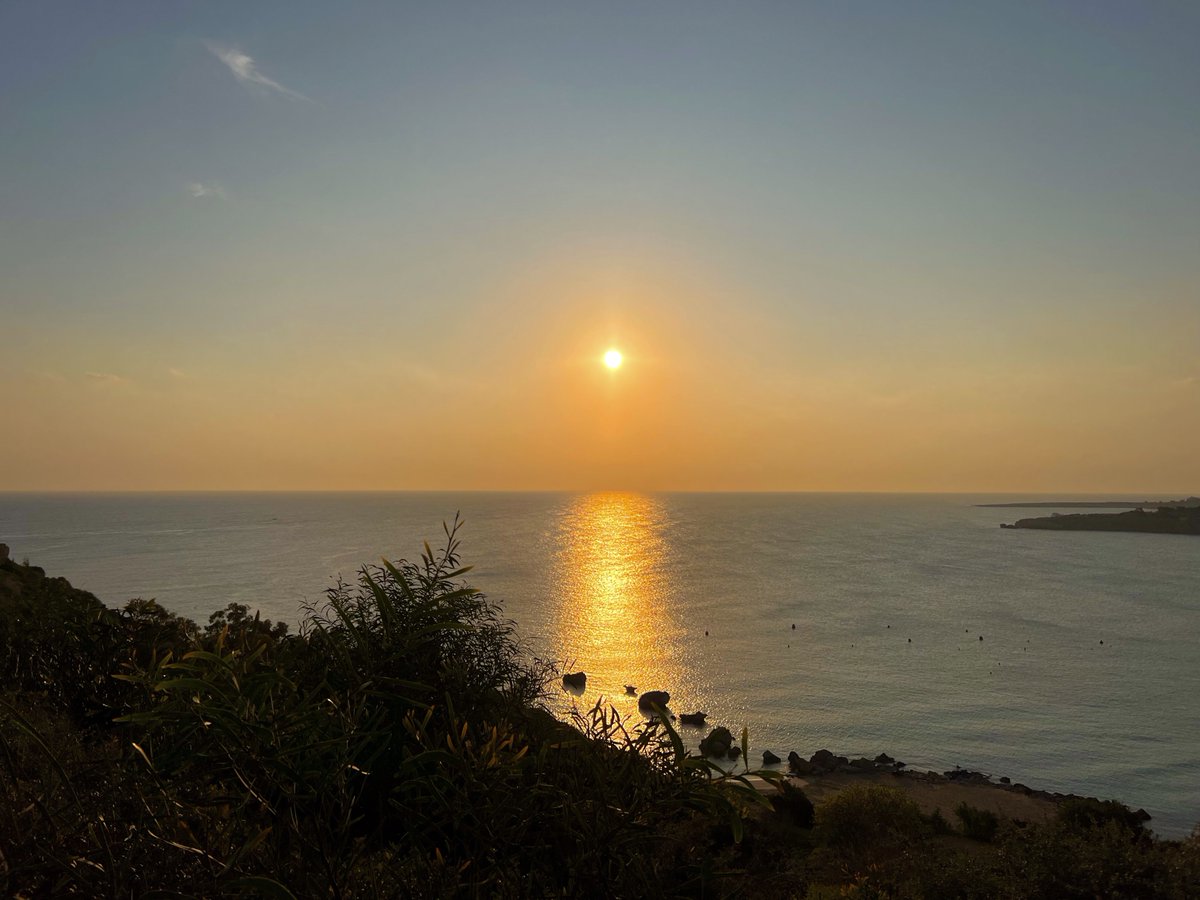
Caribbean sunset


Some Caribbean Trips Are About Slowing Down. Others Are About Feeling Alive. Both Are Right.


They had been planning the trip for months — and arguing about it almost as long.

She wanted mornings with nowhere to be. A hammock. A book. Dinner at whatever time felt natural. The kind of week where you lose track of what day it is.

He wanted to feel something. Street food at midnight. Music you didn't plan to find. The energy of a city that hasn't gone to sleep yet.

They compromised on Puerto Rico — and it turned out to be the best decision either of them could have made separately.

She found her slow mornings on the beach in Isla Verde. He found his midnight energy in Santurce. The island was big enough — and complex enough — to hold both versions of what they needed at the same time.

That's the thing most people don't know about the Caribbean until they've been more than once.

It doesn't offer one rhythm. It offers all of them.


The Myth That the Caribbean Is Only About Calm

Travel marketing has spent decades selling the Caribbean as a place of stillness — quiet beaches, slow afternoons, the particular peace of being somewhere that asks nothing of you.

That version is real. It exists. And for certain travelers in certain moments, it's exactly what a trip should feel like.

But it is not the whole Caribbean.

Trinidad has a creative energy that pulses year-round — a music culture, a food scene, a social rhythm that doesn't stop because the sun went down. Port of Spain on a Friday evening is one of the most alive urban experiences in the entire Caribbean.

Cartagena has a nightlife in Getsemanรญ that starts late and runs later, surrounded by colonial architecture and street art and the particular energy of a city that knows it's beautiful and isn't shy about it.

Puerto Rico has Santurce — a neighborhood that has transformed itself into one of the most vibrant creative districts in the Caribbean, where murals cover entire buildings, restaurants operate until 2am, and the music spills out of venues and onto the street simultaneously.

These places are not the opposite of the Caribbean. They are the Caribbean — just a version of it that the postcards rarely show.


Why "Relaxing" Doesn't Mean the Same Thing to Everyone

Travelers often say they want a relaxing trip. But relaxation is not a universal experience.

Some people relax when things get quiet and predictable. The absence of decisions. The softening of time. A day that unfolds without agenda and ends early.

Others relax when they feel engaged and stimulated — when there's energy around them, conversation happening, something worth following. Stillness, for these travelers, creates restlessness rather than restoration.

A trip that feels peaceful to one person can feel flat to another. A trip that feels exciting to one can feel exhausting to someone else.

This isn't about good or bad choices. It's about understanding how you actually recharge — which is a question most people have never directly asked themselves before booking a vacation.


The Caribbean for Slowing Down

For travelers who recharge through stillness, the Caribbean has some of the most restorative environments on earth.

Aruba — reliable sunshine, calm seas, a resort infrastructure designed to eliminate friction. A week where the hardest decision is which side of the beach to sit on.

Anguilla — no cruise ships, no mass tourism, beaches that stay quiet because the island has made a deliberate choice to keep them that way. Shoal Bay East on a Tuesday morning feels like a privilege.

Dominica — for a different kind of stillness. Not the stillness of a beach chair, but the stillness of a rainforest where the only sound is water and birds and the particular silence of something ancient and indifferent to human noise.

Turks & Caicos — Grace Bay Beach, consistently ranked among the most beautiful in the world, backed by understated luxury and the specific peace of a place that doesn't try to entertain you.

In these destinations, days feel soft. Time stretches. The Caribbean functions as a kind of permission slip — permission to stop, to breathe differently, to be somewhere that asks very little of you in return for giving you a great deal.


The Caribbean for Feeling Alive

For travelers who recharge through energy and connection, the Caribbean delivers differently — but just as completely.

Trinidad during Carnival is the most extreme version — two days of nonstop music, costume, movement, and collective joy that travelers regularly describe as the most intense experience of their lives. But Trinidad outside of Carnival still has an energy that doesn't quiet down easily — a food culture, a steel pan tradition, a creative scene that makes the island feel permanently alive.

Jamaica — reggae not as background music but as a living cultural practice, a warmth in the people that feels immediate and genuine, a food tradition centered on the roadside jerk stand that has been feeding the same community for generations.

Puerto Rico — a destination that has figured out how to be both. Beach in the morning. Old San Juan in the afternoon. Santurce at night. The island moves across rhythms in a single day in a way that most Caribbean destinations can't quite manage.

Cartagena — where the city itself is the experience. The walled old town, Getsemanรญ, the food, the history — and then the Caribbean coast just outside the city gates, available whenever you need to step back from the energy.


There Is No Correct Caribbean Rhythm

The mistake most travelers make isn't choosing the wrong destination. It's assuming that one rhythm is superior to the other — that slow is more sophisticated than vibrant, or that energy means you're not really resting.

The Caribbean doesn't ask you to slow down. It doesn't ask you to speed up either. It simply offers space for both — and enough variety between destinations that whatever rhythm you're drawn to, there is a place that was designed for exactly that.

The only question worth asking before you book is the honest one:

Do you feel more at ease when life gets quieter — or when it feels more alive?

Once you know the answer, the Caribbean stops feeling like a region of interchangeable beach destinations and starts feeling like a place with exactly what you came for.

Tell Sun AI which rhythm you're looking for → ๐ŸŒด


๐ŸŒด Plan Your Caribbean Trip

๐Ÿ—บ️ Explore 35 Caribbean Destinations on CaribeX AI →

๐Ÿจ Find Hotels on Booking.com | ✈️ Search Flights on Expedia | ๐ŸŒ Hotels & Flights on Trip.com | ๐ŸŽ’ Agoda

Continue Exploring Caribex

Tuesday, February 3, 2026

What “Relaxing” Means in the Caribbean Depends on Where You Go


The golden light of the rising sun bathes the calm sea ...


What "Relaxing" Really Means in the Caribbean — And Why It Depends Entirely on Where You Go


She had been looking forward to it for eight months.

The resort was exactly as described. The beach was beautiful. The weather was perfect. By day two, she was checking her phone more than she had at work.

Her husband, in the chair next to her, hadn't moved in three hours. He looked genuinely restored.

Same beach. Same umbrella. Same Caribbean afternoon.

Two completely different experiences of relaxation.

She didn't need a different destination. She needed a different understanding of what relaxation actually meant for her — and whether the type of calm this island offered was the type her body and mind were actually looking for.


"Relaxing" Is One of the Most Misunderstood Words in Travel

When people say they want a relaxing Caribbean trip, they usually mean something very specific — they just haven't figured out exactly what yet.

For some, relaxation means the absence of decisions. A resort where everything is handled, where the day has a gentle structure, where someone brings you a drink before you've thought to ask for one. Aruba and Turks & Caicos are masters of this version. They've built entire tourism infrastructures around the idea of frictionless ease.

For others, relaxation means freedom from structure. No schedule. No service. No one asking what you'd like. Just a beach, a hammock, and the particular peace of a place that doesn't need anything from you. Dominica and the quieter corners of Grenada offer this — but it requires a traveler who is comfortable with unstructured time, because there's genuinely very little to fall back on if you're not.

For others still, relaxation comes from stimulation — being engaged enough that the mental noise of regular life quiets down. Puerto Rico and Trinidad serve this kind of traveler well. The energy is high enough to absorb your attention completely, which creates its own form of rest.

Three versions of relaxation. Three different destinations. One word that covers all of them imperfectly.


Quiet Is Not the Same Everywhere

This is the part that surprises travelers most.

The quiet of Anguilla — one of the most exclusive and deliberately understated islands in the Caribbean — feels curated and supported. The infrastructure is there, the service is exceptional, the beaches are pristine. The quiet is intentional. It has been designed.

The quiet of Dominica feels entirely different. Raw. Unstructured. A rainforest silence that has nothing to do with tourism and doesn't adjust itself for visitors. If a service isn't available, there isn't an alternative around the corner. If the road requires a four-wheel drive, that's simply the road.

Both are quiet. They produce completely different emotional experiences.

Travelers who expect the curated version and arrive in the raw version often describe the trip as stressful. Not because the destination failed — but because their expectations came from somewhere else entirely and the island had no obligation to meet them.


When Expectations Clash With Reality

There is a specific kind of disappointment that happens in the Caribbean — and it almost never has anything to do with the destination.

A traveler arrives from a fast-paced city expecting the Caribbean to deliver instant calm. The ferry runs on a flexible schedule. The restaurant opens when the chef decides it's ready. The wifi is unreliable. The plan changes because someone's cousin needed the boat.

For one traveler, this is the point. This is the whole reason they came — to be somewhere that doesn't run on the same logic as the rest of their life.

For another traveler, each of these things is a friction point that accumulates over days until the trip that was supposed to restore them has produced the opposite effect.

Jamaica is a destination that gets misread this way regularly. The island moves at its own pace, on its own terms, with a particular relationship to time that is deeply cultural and not going to change for the benefit of visitors who prefer things to run on a tighter schedule. Travelers who align with that pace find Jamaica deeply restorative. Travelers who resist it find it frustrating — and leave thinking the island was the problem.

It wasn't. The match was wrong.


Relaxation as Compatibility

The most useful way to think about Caribbean relaxation is as a compatibility question rather than a destination question.

True relaxation — the kind that actually restores something — happens when the pace of a place matches your internal pace. When your expectations align with how things actually work. When you stop trying to control the experience and let the destination do what it does naturally.

Some Caribbean islands invite you to slow down gently, with support and structure underneath. Barbados does this well — a well-organized island with a strong service culture that makes relaxation feel easy rather than effortful.

Others ask you to let go more completely — to release the need for certainty, for schedule, for things to work the way they work at home. Dominica asks this. So does the north coast of Trinidad, where the beaches are empty and the infrastructure is minimal and the experience rewards travelers who arrive with patience and flexibility.

Knowing which type of letting-go you're capable of — and which type you actually need — is the most important thing you can know before choosing a Caribbean destination.


The Right Question Before You Book

Not: "Is this destination relaxing?"

Every Caribbean destination is relaxing for the right traveler. Every Caribbean destination is frustrating for the wrong one.

The right question is: "Is this type of relaxation compatible with who I am and what I actually need right now?"

Do you relax when things are handled for you — or when you're left completely alone? Do you need structure underneath the stillness, or does structure itself feel like a constraint? Are you someone who adjusts easily to a different pace — or do you need the pace to adjust to you?

Your honest answers to those questions will tell you more about where to go in the Caribbean than any ranking, any review, or any photograph of turquoise water.

Ask Sun AI to help you find the Caribbean that actually fits how you relax → ๐ŸŒด


๐ŸŒด Plan Your Caribbean Trip

๐Ÿ—บ️ Explore 35 Caribbean Destinations on CaribeX AI →

๐Ÿจ Find Hotels on Booking.com | ✈️ Search Flights on Expedia | ๐ŸŒ Hotels & Flights on Trip.com | ๐ŸŽ’ Agoda

Continue Exploring Caribex